Our experience

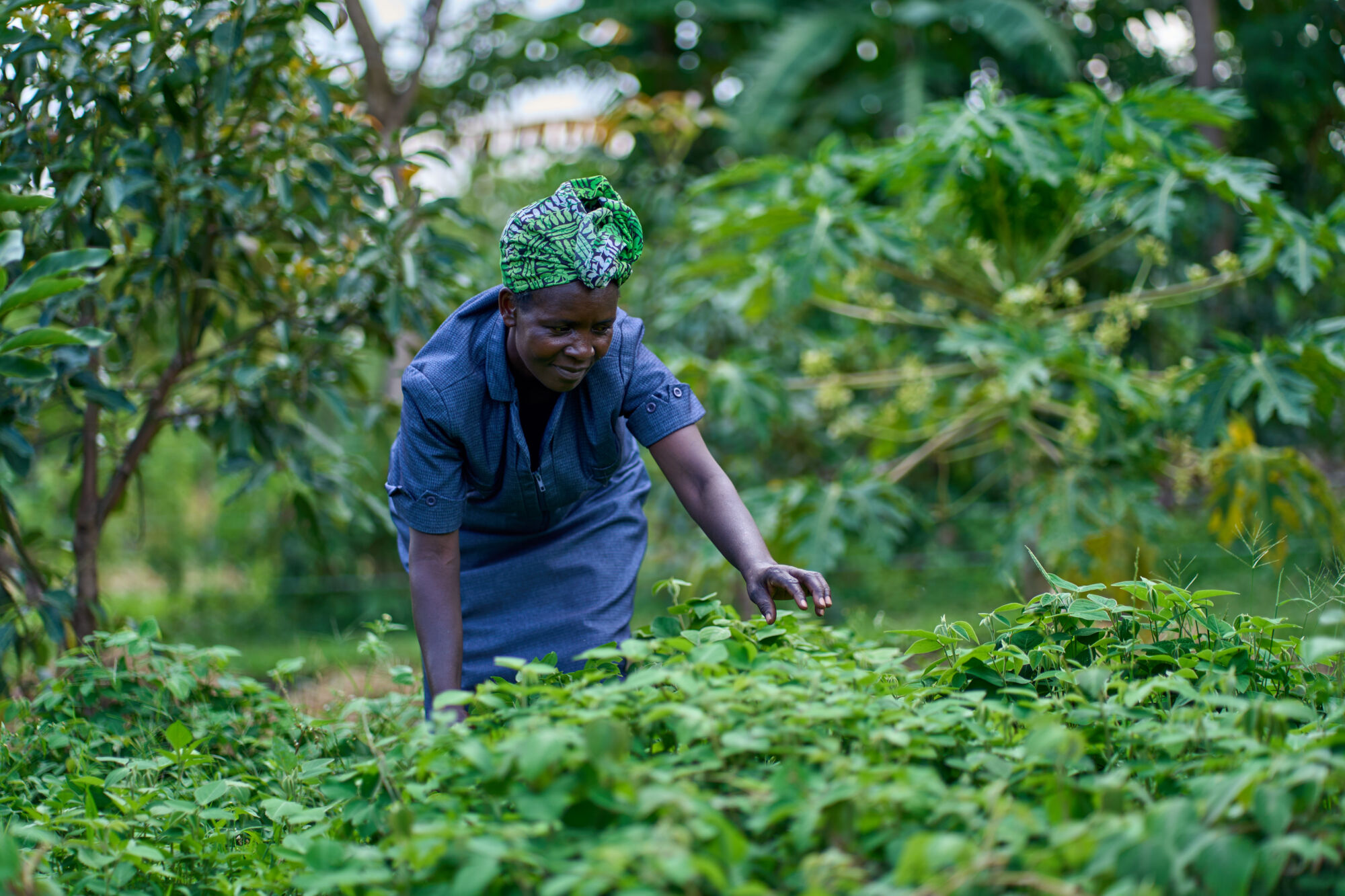
Metrine Wanjala, agroforestry farmer from Kenyan Agricultural Carbon Project (KACP) Photo: Epic Motions

Vi Agroforestry has been a pioneer in combining agroforestry, Sustainable Agricultural Land Management (SALM) practices, and climate finance through voluntary carbon markets, with our first project initiated in 2009. We co-developed the first SALM methodology (VM0017) with the World Bank – a methodology that has been in use under the VCS up until 2023 and used by not only carbon projects, but also other interventions related to climate action and land use.

With three active carbon projects (Tree Sustain Life, Kenyan Agricultural Carbon Project, and Mount Elgon/ Livelihoods funds), we deliver start-to-end expertise in AFOLU carbon initiatives – from project design, implementation and monitoring to issuance of credits and benefit-sharing. Our approach integrates only smallholder farmers, ensuring inclusive carbon offset projects that empower marginalized groups.

Our work strengthens climate resilience, food security, and incomes for farming families across Sub-Saharan Africa. We adopt a human rights-based approach which benefits women, men, youth, and children alike.

Academic insights on carbon are abundant but often complex and difficult to apply. Practical, long-term experience across all stages of the carbon value chain remains rare. Take a look below at the expertise we have gathered over the years:

Operative level: 

  • Benefit Sharing mechanisms
  • Community Engagement
  • Data Collection (additional to carbon stock)
  • Carbon Monitoring
  • Feedback/Grievance Mechanism (Farmer inclusion /Engagement throughout the longevity of a carbon project)
  • Tracking of Farms and System Boundary Changes
  • Farmer Contracting

More operative level:

  • Carbon project design & implementation (project boundaries)
  • MRV systems (set-up)
  • Standard compliance (specifically Gold Standard, VCS, Plan Vivo)
  • Risks and pitfalls
  • Compliance to national policies and institutional frameworks
  • IT-systems
  • Verification processes

Policy level

  • Climate policy, trends
  • Carbon market development
  • Standards (theoretical)
  • Certification (banking the credits)
  • Climate financing (PES)
  • Biocredit development
  • Development of carbon-stock monitoring (remote sensing etc.)

Market level

  • Market and selling of credits
  • Compliance with swedish regulations
  • Due diligance/ background checks of corporates