
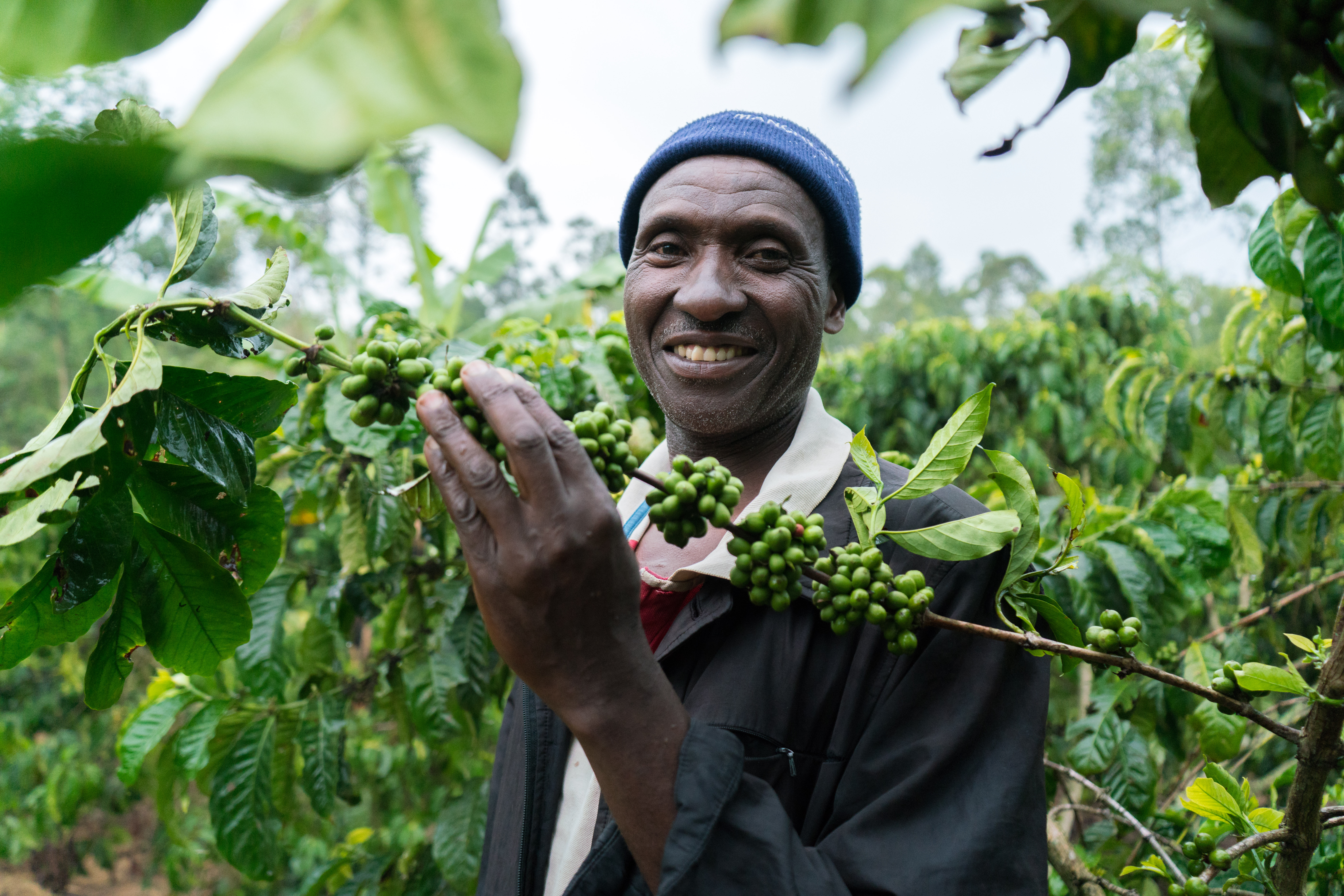
Coffee production in Western and Central Uganda has faced significant challenges due to unsustainable farming practices, declining soil fertility, climate change impacts, and market failures. These pressures have often resulted in reduced yields, unstable incomes, and limited food security for smallholder farmers. Women—who provide much of the labour—have historically had limited access to information, decision-making, and financial control, while youth unemployment has remained high.
Through GREAN, these challenges were addressed by promoting sustainable agricultural land management (SALM) practices and climate-friendly energy solutions. Farmers and producer organisations strengthened their capacity to adapt to climate change, improve soil health, and enhance coffee productivity in more sustainable ways.
A key achievement of the project was supporting coffee producer organisations to engage more actively across the value chain—from production and processing to packaging and marketing. This contributed to increased ownership, improved market positioning, and greater value retention for farmer members.
The project also introduced innovative energy solutions within coffee-growing communities. Coffee husks, a by-product of coffee processing, were used to produce briquettes as an alternative energy source. Together with the promotion of improved cookstoves, this helped reduce reliance on firewood, lower household energy costs, and mitigate environmental degradation. These initiatives particularly benefited women and youth groups by creating new income-generating opportunities and supporting local entrepreneurship.
In addition, the adoption of improved cookstoves enabled participating organisations to access carbon finance mechanisms, opening up new streams of funding and strengthening long-term sustainability.
Overall, GREAN contributed to:
- Improved farming practices and soil health among smallholder coffee farmers
- Increased resilience to climate change
- Strengthened farmer organisations and value chain participation
- Expanded livelihood opportunities for women and youth
- More sustainable and climate-friendly energy use in rural communities
To learn more about the project and its approach, see the brochure:
Download the GREAN brochure